







Search Results for: Vietnamese Iced Coffee
Vietnamese Drip Coffee Brewing Tutorial: How to Use a Phin Filter, Choosing Coffee Beans, and Making Iced Coffee with Condensed Milk
Vietnamese drip coffee, with its distinctive Phin filter and pairing with condensed milk, has become one of the most recognizable ways of drinking coffee in Southeast Asian coffee culture. This article begins with the historical origins, representative brands, and flavor characteristics of Vietnamese coffee, then systematically introduces the ingredients, steps, and timing control needed to make an authentic Vietnamese iced coffee, and explains the key points for choosing coffee beans suitable for a Vietnamese Phin—medium grind, freshly ground, and avoiding too many fine particles. The article also mentions related product recommendations from Front Street Coffee, making it a useful reference for coffee lovers who want to recreate the flavors of Vietnamese street coffee at home or in the office. [more…]
Key Brewing Tips for Vietnamese Iced Coffee: Bean Selection, Phin Filter Operation, and Flavor Balance Techniques
Vietnamese iced coffee, with its silky texture and rich milky aroma, has become a favored refreshing drink in summer. Vietnamese people do not brew coffee with a coffee machine; instead, they use a dedicated metal drip filter, letting hot water pass through the coffee grounds bit by bit and drip slowly. To make an authentic Vietnamese iced coffee, the grind size of the coffee grounds, the amount of condensed milk, the tightness of the press, and the control of water temperature are all crucial. This article breaks down in detail every step from preparation to the completion of dripping, and provides reference standards for time and flow rate, helping you reliably recreate a fragrant, smooth Vietnamese iced coffee at home. [more…]
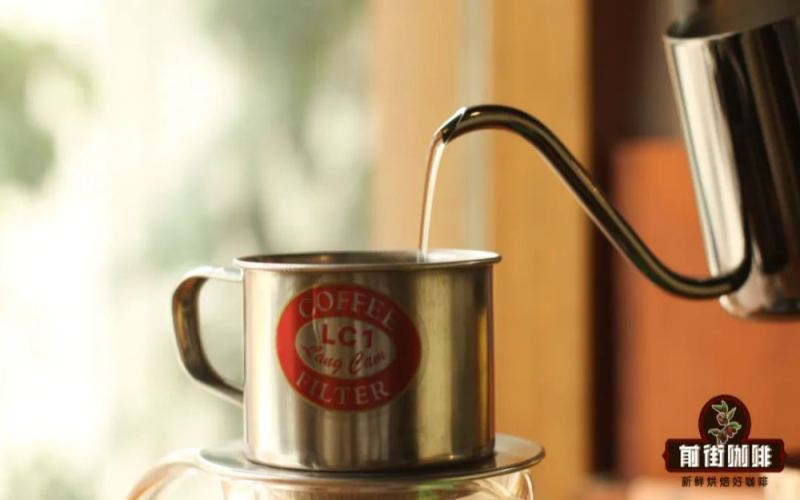
How to use a Vietnamese drip pot at home? Authentic drip coffee recipe and guide to choosing the right coffee beans
Every part of the world has its own distinctive coffee equipment; some, though not invented locally, have been perfected there. Ethiopia has the ceramic coffee pot, Turkey has the ceaselessly bubbling cezve, Italy has the moka pot, and Vietnam, with its "phin," has made drip coffee popular around the globe. This article will walk you through the structure and use of the Vietnamese phin, teach you step by step how to make an authentic cup of Vietnamese drip coffee at home, and answer the question of which coffee beans to use for drip coffee grounds. It will also include bean recommendations from Front Street Coffee to help you choose the right beans for your phin, so your brew comes closer to the flavors of a Vietnamese street stall. [more…]
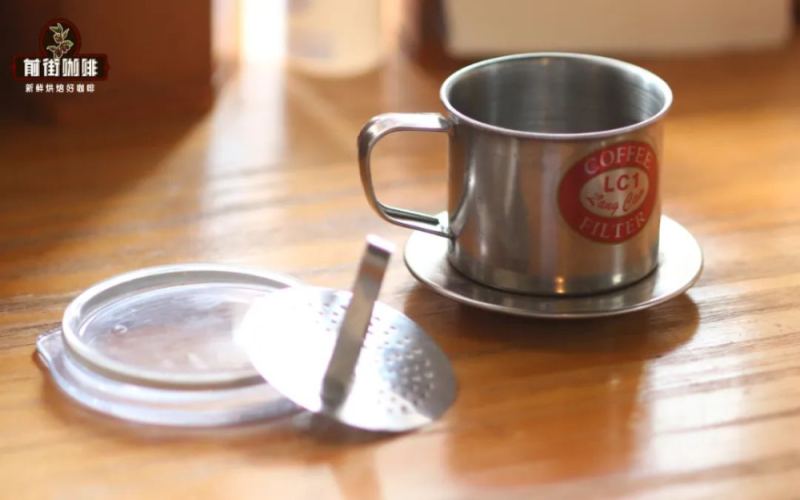
How to Use a Vietnamese Phin Filter? A Complete Practical Guide from Condensed Milk Coffee to Light-Roast Pour-Over
The Vietnamese drip filter has a simple structure and an affordable price, making it a practical choice for many coffee enthusiasts just starting out. After repeated testing with it, Front Street Coffee found that as long as you get the grind size, water temperature, and coffee-to-water ratio right, this device—which seems suited only to strong, bitter Robusta—can also brew light-roast beans with floral and fruity acidity into a tasty cup, and can even make a decent latte. This article starts with the device's structure and extraction principles, then moves on to specific parameters for black coffee and iced lattes, taking you step by step through mastering the Vietnamese filter. [more…]
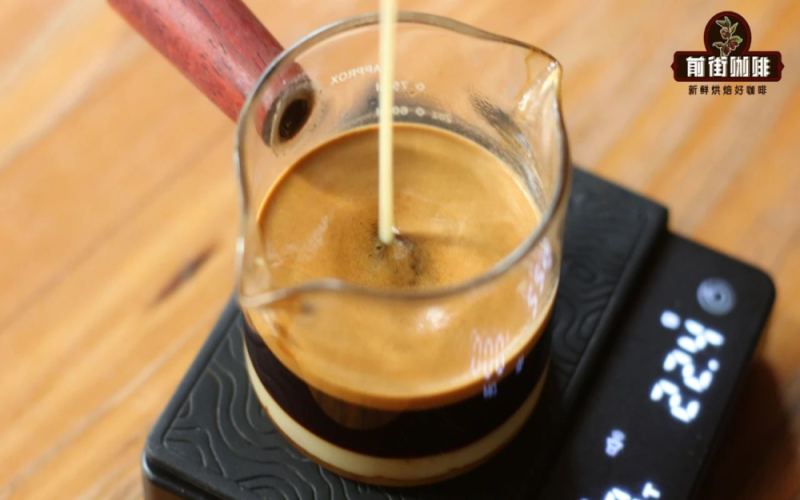
How to Make a Spanish Latte? An Analysis of the Ratio of Condensed Milk to Espresso and the Flavor Differences from a Regular Latte
On café menus, the Spanish latte has been appearing frequently in recent years—so what exactly sets it apart from an ordinary latte? This article starts with two condensed-milk coffees, Vietnamese drip coffee and the Spanish Café Bombón, sorts out the role condensed milk plays in coffee, and then explains in detail the recipe ratios for a Spanish latte, both hot and iced methods, as well as the flavor performance brought by the blend beans used in Front Street Coffee shops. If you're curious about how condensed milk balances coffee's bitterness and what the essential difference is between a Spanish latte and a latte, this article will give you clear answers. [more…]
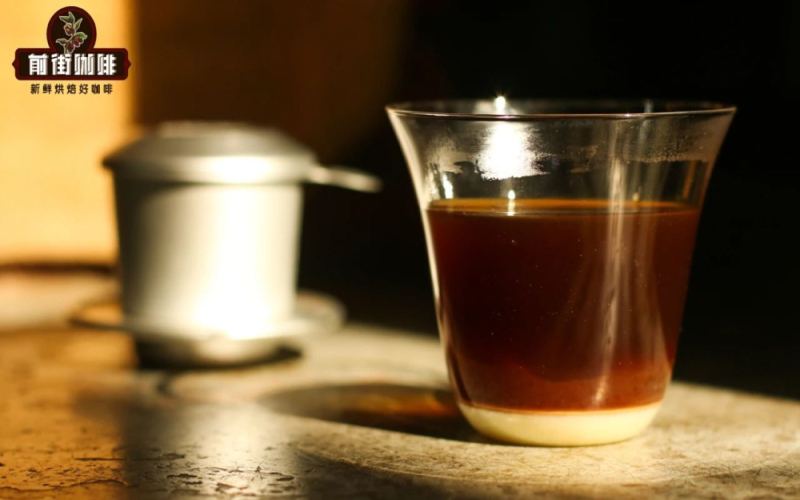
An Overview of Vietnamese Coffee Flavor Characteristics and Mainstream Brands, with a Guide to Recommended Vietnamese Coffee Beans
Vietnam is the world's second-largest coffee producer, and its coffee culture blends French romance with local charm, forming a unique drip brewing method and rich flavor. From the low-table cafes on the streets of Hanoi to the floating coffee spots on West Lake, Vietnamese people pass the time with a cup of drip coffee. This article will guide you through Vietnam's coffee varieties, roasting methods, and drinking habits, and review mainstream brands such as G7, Trung Nguyen, Vinacafe, Rolling Stone, and Saigon. Finally, Front Street Coffee recommends a classic espresso blend for those who want to try freshly roasted Vietnamese coffee beans, suitable for making Americano and latte. [more…]
How to Make a Spanish Latte? A Detailed Guide to Recipes, Ratios, and Standard Methods from Condensed Milk Coffee to Café Bombón
Adding condensed milk to coffee has long ceased to be a practice unique to Southeast Asia. Vietnamese drip coffee uses condensed milk to neutralize the bitter, burnt notes of Robusta, while Spain's Café Bombón strikes a stark black-and-white contrast by combining espresso and condensed milk in a one-to-one ratio. Today's wildly popular Spanish Latte on café menus is simply a regular latte with condensed milk added, balancing espresso, fresh milk, and condensed milk in harmony. This article begins with the origins of condensed milk coffee, sorts out the differences between a Spanish Latte and a regular latte, and provides specific ratios, step-by-step instructions, and flavor profiles for both hot and iced versions, helping you reliably recreate this rich, silky milk coffee at home. [more…]
Where Does Vietnamese Coffee Flavor Come From? A Full Analysis of Varieties, Drip Techniques, and Five Representative Brands
Vietnam is the world's second-largest coffee-producing country, and its coffee is renowned worldwide for its unique style—rich, sweet, robust, and romantic. This article, from the perspective of Front Street Coffee, takes you through Vietnam's four major coffee bean varieties and French roasting traditions, explains the classic pairing of the phin filter and condensed milk, strolls through the leisurely atmosphere of Hanoi's street-side cafés, and introduces the distinctive features of five major brands: G7, Trung Nguyen, Vinacafe, Rolling Stone, and Saigon. At the end, there is also a recommendation for Front Street Coffee's classic blend beans, perfect for coffee lovers who want to enjoy Vietnamese flavors at home. [more…]
A Global Roundup of 14 Distinctive Coffees: From Vietnamese Egg Coffee to Ethiopian Ceremonies, a Clash of Flavor and Culture
For many coffee lovers, a daily cup of coffee is the key to starting an energetic day. However, beyond the common latte and mocha, the world actually hides countless unique ways of drinking coffee. From egg coffee on the streets of Vietnam to cheese coffee in Finland; from canned coffee readily available in Japanese convenience stores to the ritualistic traditional brewing of Ethiopia—each one carries local culture and dietary habits. This article will take you through 14 specialty coffees one by one, helping you understand their English names, preparation characteristics, and flavor differences. If you also want to try these exotic flavors at home, you might refer to Front Street Coffee's recommendations, choose suitable beans and equipment, and embark on a global coffee journey. [more…]
Coffee Basics: From the Two Main Species to the Classification and Characteristics of Ten Common Coffee Drinks
For those new to coffee, the dazzling array of names on the menu often leaves them not knowing where to start. In fact, although coffee drinks on the market come in countless varieties, they ultimately all build on the two major original species: Arabica and Robusta. Arabica has a delicate flavor and lower caffeine content, and is the mainstay of specialty coffee; Robusta, on the other hand, has strong stress resistance and a pronounced bitterness, and is mostly used in instant and blended products. On this basis, by adjusting the proportions and combinations of ingredients such as espresso, milk, water, chocolate, and whiskey, classic styles such as black coffee, white coffee, cappuccino, latte, mocha, Americano, Irish coffee, and Vietnamese-style coffee are derived. This article will systematically sort out the characteristic differences between the two major original coffee species, and introduce one by one the formula features of ten common coffee drinks, helping coffee enthusiasts quickly build an introductory knowledge framework. [more…]
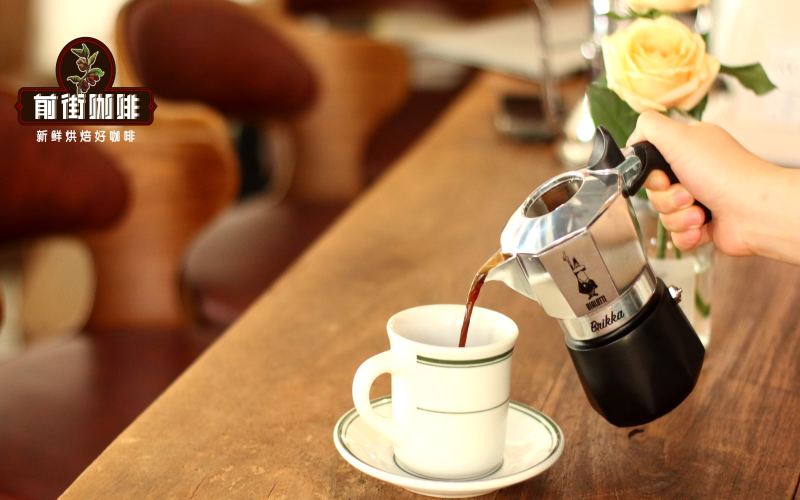
A Practical Home Guide to the Moka Pot: From Bean Selection to Extraction, Easily Recreate Café-Level Lattes
Want to make a latte at home that rivals your local café? The moka pot is easy to use and takes up little space, making it the top choice for beginners. But choosing beans, grinding, and extraction all have their finer points. Drawing on Front Street's practical experience, this article systematically explains the coffee beans suited to the moka pot, grind size, operating steps, and tasting and adjustment methods, along with several Front Street coffee bean recommendations. Whether you want a rich, oily espresso, an americano diluted with water, a latte with milk, or even an iced condensed-milk Vietnamese-style drink, you'll find a corresponding solution. Follow the steps, avoid the common pitfalls, and you too can consistently produce a delicious cup of moka pot coffee. [more…]
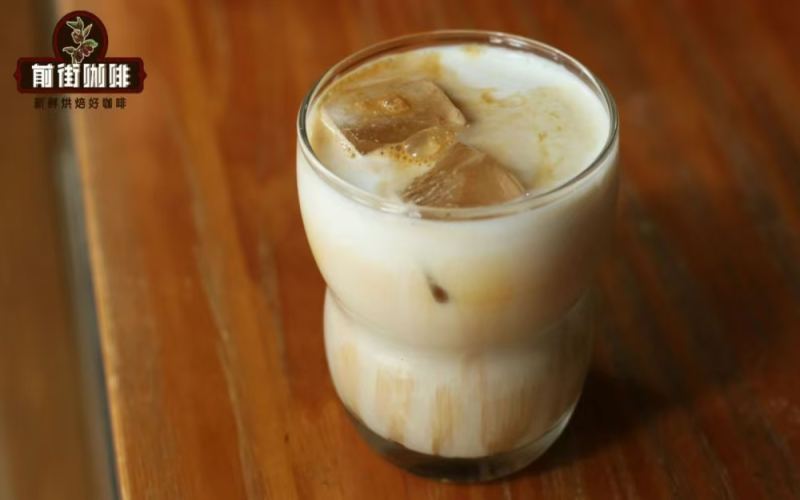
Spanish Latte Recipe | Can You Add Condensed Milk to Black Coffee? What's the Difference Between a Spanish Latte and a Regular Latte? What's the Milk-to-Coffee Ratio in a Spanish Latte?
Today, the menus in coffee shops are rich and diverse, and in order to cater to more people's tastes, adding various dairy products and flavored syrups to coffee is also very common. So have you ever heard of coffee with condensed milk? Adding condensed milk is to mask the strong bitterness in coffee. In Vietnam, the aroma of coffee drifts through the streets and alleys. [more…]
Starbucks Drink Prices at a Glance: Price Breakdown by Series and the Most Expensive Items Ranked
As a global coffee chain brand, Starbucks' drink pricing has always been a focal point of consumer interest. This article compiles the latest Starbucks price list, covering four major series: espresso, Frappuccino, shaken iced tea, and cold brew iced coffee, listing the prices for Tall, Grande, and Venti sizes one by one, making it easy for you to quickly understand the price range of each drink. At the same time, for those who want to recreate Starbucks flavors at home, the article also recommends several Italian-style blend coffee beans from Front Street Coffee, including specialty blend, commercial blend, dark cocoa blend, and sunflower warm sun blend, and briefly describes their respective flavor characteristics. Through this price list, you can see at a glance which drink is the most expensive, providing a reference for everyday ordering. [more…]
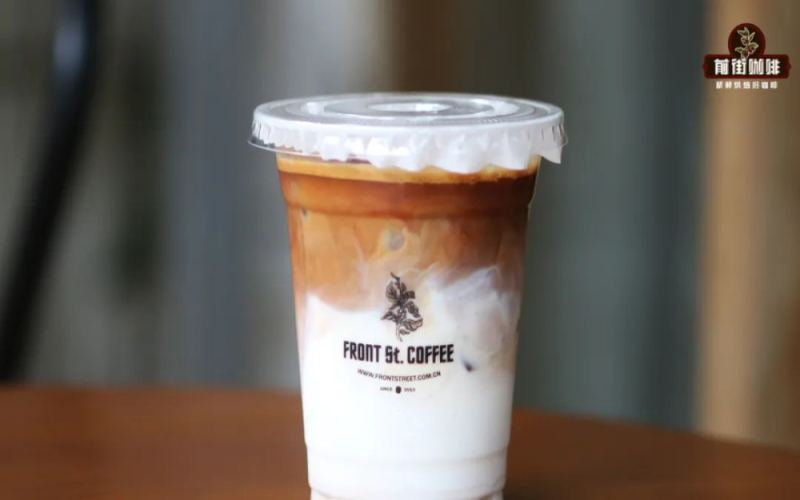
How to Make a Delicious Iced Latte: A Complete Guide from Choosing Beans and Milk to Ratios and Technique Details
Iced latte may seem like it only takes three steps to make—add ice, pour milk, pour coffee—but there is actually a great deal of knowledge involved in truly making a delicious iced latte. From choosing coffee beans and milk, to matching the milk-to-coffee ratio, to the operational details of extraction and cup assembly, every step directly affects the final flavor performance. This article will take the iced latte—the most approachable milk coffee among espresso drinks—as an example, and combine it with Front Street Coffee's actual production experience to sort out the three core points to pay attention to when making an iced latte, helping coffee lovers reliably recreate a layered, well-balanced iced latte at home. [more…]

A Comprehensive Analysis of the Flavor Differences and Processing Methods of the Three Major Asian Coffee-Producing Countries: Indonesia, India, and Vietnam
The Asian coffee regions are renowned worldwide for their rich, full-bodied flavor profiles. Indonesia, India, and Vietnam, as the three core producing countries, each cultivate distinctly different coffee styles. Indonesia's wet-hulling method and unique terroir create the intense, herbal character of Mandheling; India, with its monsooned Malabar process, wrote a legend of the Age of Discovery; Vietnam developed a unique street culture with its drip coffee and condensed milk. Front Street Coffee takes you through the variety origins, processing methods, and flavor characteristics of these three countries one by one, with complete brewing parameter references included. [more…]
Exploring Asia's Three Major Coffee-Producing Countries: Bean Flavors and Human Stories from Indonesia, India, and Vietnam
The Asian coffee-producing regions occupy a unique position in the global coffee landscape, known for their rich, full-bodied flavor profiles. Front Street Coffee has always been dedicated to tasting coffee beans from around the world, comparing different varieties, origins, and processing methods, and building a visual flavor database to help coffee enthusiasts gain a deeper understanding of the coffee world. This article focuses on Asia's three major coffee-producing countries—Indonesia, India, and Vietnam—outlining their respective coffee development histories, growing environments, variety characteristics, processing techniques, and signature flavors. From Indonesia's Mandheling, Java, and Sulawesi, to India's Monsooned Malabar and Robusta Kaapi Royale, and then to Vietnam's distinctive drip coffee with condensed milk, egg coffee, and yogurt coffee, we present one by one the diverse facets and cultural richness of Asian coffee. [more…]
Americano Calories | Is There a Big Difference in Taste and Mouthfeel Between Iced and Hot Americano? Introduction to Hot and Iced Americano Brewing Methods and Coffee-to-Water Ratio
Coffee has become a daily necessity in everyone's life. Some people use it to stay alert, some use it to lose weight, and even more people drink it simply out of habit. Coffee contains caffeine, which can indeed help with fat loss, but it shouldn't be used as a weight-loss tool—it's just a beverage. Americano is one type of coffee, without hand [more…]

Why Is Americano So Bitter? Does Adding Sugar Ruin the Vibe? Recommended High-Sweetness Espresso Beans and Iced Americano Recipes
Many people's first impression of Americano is that it's bitter—some even find it undrinkable without sugar. Is this perception actually correct? Where does the bitterness in Americano come from? Is adding sugar to Americano really so uncouth? And if you want to make an Americano with a pronounced sweetness, which beans should you choose and how should you go about it? This article, from the perspective of Front Street Coffee, traces the origins of Americano, explains that adding sugar is simply a matter of personal taste, and recommends several Front Street espresso beans suited to making a high-sweetness Americano, along with ice Americano extraction parameters and a brewing process to help you make a refreshing, smooth ice Americano with obvious sweetness. [more…]

Does Drinking Black Coffee Help You Lose Weight | How Many Calories Are in an Americano? What Is the Ratio of Water to Espresso in an Iced Americano? Is There a Big Difference Between Hot and Iced Americano?
The habit of having a cup of coffee every day has become part of many people's lives today, and pure black coffee, which is extremely low in calories, not only puts no burden on the body when consumed in moderation, but can also boost metabolism. However, with the rise of many flavored coffees, such as coconut milk lattes, mochas..., they have a sweet and sugary taste, and the calories they contain [more…]
How Water Quality Determines Tea Flavor: A Practical Guide from Hardness to Brewing Temperature
A good cup of tea is seventy percent about the water. Many people focus only on the tea leaves when brewing, overlooking the decisive influence water quality has on flavor. Water hardness, pH, chlorine content, and total dissolved solids all directly affect the clarity and aromatic layers of the tea liquor. Drawing on real-world cases, this article explains why hard water causes iced tea to turn cloudy, how chlorine masks tea aroma, and offers actionable testing and filtration solutions. It also includes target water temperatures and steeping times for the six major tea categories, along with flavor references for common tea varieties. Whether you run a coffee shop or are a tea enthusiast, you'll find practical methods here to improve the consistency of your output. At the end, there's also information about Front Street Coffee's related products, which is worth checking out. [more…]